
Showing posts with label Austria. Show all posts
Showing posts with label Austria. Show all posts
Sunday, September 17, 2023
Day at the Zoo


Saturday, June 10, 2023
2023 Global Peace Index
 The 17th edition of the Global Peace Index was released. The Institute for Economics and Peace (IEP) uses 23 qualitative and quantitative indicators across three different domains: Societal Safety and Security, Ongoing Domestic and International Conflict, and Militarisation.
For the 17th year in a row, Iceland maintains the top spot. Here are the top 15 countries and the variance from last year's results.
- Iceland
- Denmark +1
- Ireland -1
- New Zealand +2
- Austria -1
- Singapore +4
- Portugal +1
- Slovenia -4
- Japan
- Switzerland +1
- Candada +2
- Czechia -5
- Finland +3
- Croatia +1
- Germany +2
 Europe continues to be the most peaceful region, with 7 of top 10 countries. Although Europe did go down in all three domains over the past year. Mainly due to the Russian invasion of Ukraine, Europe is now less peaceful than it was 15 years ago.
I'm not sure what happened here in Czechland, with the five spot drop and falling out of the top 10. But even in 12th place I feel much safer living in Euroland than anywhere else.
The USA remains at 131st place. Behind Haiti and South Africa, but ahead of Brazil, Eritrea, and Palestine.
The USA recorded the 4th largest overall increase in its homicide rate, which is more than 6 per 100.000 people. This is more than six times higher than most Western European countries.
The Middle East and North Africa is the world's least peaceful region.
Ukraine dropped 14 places to 157, just ahead of Russia at 158. Followed by the five least peaceful countries, with no change from last year.
159. Democratic Republic of the Congo
160. South Sudan
161. Syria
162. Yemen
163. Afghanistan
Я за Україну. Я за Україною. Слава Україні Stojím za Ukrajinou! I stand with Ukraine. 
Wednesday, November 30, 2022
2022 Global Peace Index

The Global Peace Index ranks the level of peacefulness and this year was the 16th edition. Iceland continues to come in first place which it has been since 2008. New Zealand came in second place again.
- Iceland
- New Zealand
- Ireland +3
- Denmark -1
- Austria +2
- Portugal -1
- Slovenia -3
- Czechland +1
- Singapore +1
- Japan +1
Europe continues to be the most peaceful area with seven of the top ten spots and 14 of the top 20.
No surprise that Russia and Ukraine are two of the five countries with the biggest drop in peacefulness.

The Middle East and North Africa are the least peaceful regions.
For the fifth year in a row, Afghanistan came in last place, ahead of Yemen, Syria, Russia, and South Sudan.
Я за Україну. Я за Україною. Слава Україні Stojím za Ukrajinou! I stand with Ukraine.
Thursday, September 15, 2022
EUFOR
 The European Union Force Bosnia and Herzegovina (EUFOR) is a military deployment to help keep the peace in Bosnia and Herzegovina (BiH). At least it used to be called EUFOR. Now it is Operation ALTHEA.

 After the one year, IFOR was replaced by the Stabilisation Force in Bosnia and Herzegovina (SFOR). SFOR was another NATO-led peacekeeping force, with several non-NATO countries contributing troops. IFOR was replaced by EUFOR in December 2004.

There are about 1000 troops currently stationed in BiH from 19 different countries, including Czechland. The countries are all EU and/or NATO member states with the exception of Chile which isn't either. In December 2020, the UK withdrew its troops from EUFOR after 16 years due to Brexit.
The EU also has an Intermediate Reserve Force based in Europe that can be deployed on short notice to reinforce EUFOR in BiH if needed.
The first five years each saw a commanding general from a different country. For some reason, since December 2009, each year the commanding general comes from Austria.
Here are a couple of short videos I found on YouTube.
©EUFOR Althea
©EUFOR Althea
Update March 2023: Here's the new EUFOR video.
©EUFOR Althea
Monday, September 12, 2022
Eurocorps
My 2000th blog post. I can't believe that I've been at this for over 13 years or that people still seem interested in my Czechland adventure. Thank you to everyone who continues to follow along.
 Eurocorps is a European army, of about 60.000 troops, that can be deployed on very short notice. It was founded in 1992 by France and Germany and it went operational in 1995. This month it celebrates its 30th anniversary. Eurocorps' headquarters are in Strasbourg, France.
Eurocorps is at the service of the EU and NATO and in 2002, it was certified as one of NATO's nine High Readiness Land Headquarters. Eurocorps considers requests for support from the UN and OSCE. It can also be deployed at the request of the framework nations.
There are six framework nations - France, Germany, Belgium, Luxembourg, Spain, and Poland.
Any EU country can join with the unanimous approval of the framework countries. There are also five associated nations - Austria, Greece, Türkiye, Italy, and Romania.
Finland was an associated member from 2002 - 2006 and Canada was from 2003 - 2007. Czech Republic isn't a member but I believe that they have participated is some military exercises with Eurocorps in the past. I'm not aware of Czechland having any plans to join.
Eurocorps has participated in peacekeeping missions in the Balkans as part of SFOR in Bosnia and Herzegovina and KFOR in Kosovo. It was deployed to Afghanistan as part of the UN's International Security Assistance Force (ISAF). It's even been deployed to Africa as part of EU training missions in Mali and the Central African Republic.
Poland became the newest framework member this year in January. From 2023-2025, a Polish general will take command of Eurocorps. With all of the support Poland has given Ukraine during the Russian invasion, I'm sure that Russia isn't thrilled with Poland soon to lead Eurocorps.
What's interesting to me Austria and Türkiye being associate members. Türkiye is a member of NATO but not the EU so until it actually becomes an EU member, if ever, then it can't be one of the framework nations. Austria's constitution prohibits it form entering into military alliances. So I guess that by being an associate member it can participate in Eurocorps without violating its constitution, in the same way that it is a member of NATO's Partnership for Peace programme without being a NATO member.
Here's a France24 video I found on YouTube from 2009 that talks about Eurocorps.
©France24
Saturday, August 27, 2022
English in Czechland
 English is the most common spoken language across the EU. About 44% of people in the EU can speak English. And that's post-Brexit, as now only 1% of the EU are native English speakers. However, Czechs rank among the worst in Europe at foreign languages.
Czechs are among the least likely Europeans to know a foreign language. While about 45% can communicate at some level of English, only one in 10 Czechs have minimal English-language skills. Just 7% speak English proficiently.
The only countries worse at English than Czechia are France, Italy, and Spain. The top five countries with the best English foreign language skills are the Netherlands, Austria, Norway, Denmark, and Belgium.
One of the primary staffing agencies here has confirmed that English is required for four of to 10 job offers here. English is demanded five times more than all other foreign languages combined. After English, the top requested languages by employers are German, French, Italian, and Dutch.
 The Czech Statistical Office, ČSÚ, states that only a minimum of Czechs speak English at a professional level. 30% can't speak a foreign language.
English is most frequently taught foreign language in EU secondary schools, followed by Spanish, French, German, and Italian.
In Czechland, by law, students are taught two foreign languages. English is the most popular, followed by German.
There has been some controversy in the press about the new government's ability to speak English. Five of 18 cabinet ministers have admitted to only being able to speak "tourist level" English only. This is a big deal now that Czechland currently holds the rotating presidency of the EU.
 The new prime minister, Petr Fiala, speaks both English and German fluently.
Jana Černochová, the defence minister, and Zbyněk Stanjura, the finance minister have admitted to having weak English skills but both have at least passive Russian and Polish.
Monday, April 25, 2022
Partnership for Peace
 NATO has something something called Partnership for Peace (PfP). It's a bilateral cooperation programme between NATO and Euro-Atlantic partner countries that lets partners build up an individual relationship with NATO. PfP started in 1994 as a way to build security relationships between NATO and non-NATO countries. Participating countries choose their own priorities for cooperation and the both the level and pace of progress.
 The programme allowed NATO to reach out to former Warsaw Pact and Soviet Republics following the end of the Cold War. The programme allows countries to build closer relationships with NATO without actually becoming a NATO member. It's important to remember that the PfP programme has nothing to do with NATO's article 5 which says that an attack on one NATO country is an attack on all. So while Ukraine is a PfP member it is not a member of NATO.
Here's the list of when countries joined the PfP programme. Many went on to officially join NATO later on.

Romania - 26.01.1994
Lithuania - 27.01.1994
Poland - 02.02.1994
Estonia - 03.02.1994
Hungary - 08.02.1994
Ukraine - 08.02.1994
Slovakia - 09.02.1994
Bulgaria - 14.02.1994
Latvia - 14.02.1994
Albania - 23.02.1994
Czechia - 10.03.1994
Moldova - 16.03.1994
Georgia - 23.03.1994
Slovenia - 30.03.1994
Finland - 09.05.1994
Sweden - 09.05.1994
Azerbaijan - 04.05.1994
Turkmenistan - 10.05.1994
Kazakhstan - 27.05.1994
Russia - 22.06.1994
Armenia 05.10.1994
Uzbekistan - 13.07.1994
Belarus - 11.01.1995
Austria - 10.02.1995
Malta - 26.04.1995
Macedonia - 15.11.1995
Switzerland - 11.12.1996
Ireland - 01.12.1999
Croatia - 25.05.2000
Tajikistan - 20.02.2002
Bosnia and Herzegovina - 14.12.2006
Montenegro - 14.12.2006
Serbia - 14.12.2006
In 1999, Czechland, Hungary, and Poland became the first three PfP countries to join NATO.
In 2004, NATO saw its largest expansion when seven PfP countries joined - Bulgaria, Estonia, Latvia, Lithuania, Romania, Slovakia, and Slovenia.
Malta joined the programme in 1995 but left in 1996 and rejoined in 2008.
In 2009 - Albania and Croatia joined NATO. Montenegro joined NATO in 2017 and North Macedonia joined in 2020 as the 30th NATO member.
In 2014, when Russia first invaded Ukraine, NATO suspended practical cooperation with Russia. It's hard to picture Russia as a Partnership for Peace member considering it invaded Ukraine to keep it from joining NATO in the future. But by doing do, I don't think it will be long until Finland and Sweden decide to join NATO.
Traditionally neutral countries such as Austria, Finland, Sweden, and Switzerland are all PfP members. For Austria, the programme allows for cooperation with NATO without joining because under the country's constitution, Austria is prohibited from entering into military alliances and no foreign military bases may be on Austrian territory.
Andorra, Liechtenstein, Monaco, San Marino, and Vatican City are all neutral micro states that are surrounded by NATO members. They are all a part of the OSCE but they do not participate the PfP programme.
Cyprus is the only EU member that isn't a member of either NATO or the PfP programme. Kyrgyzstan is the only former Soviet republic that didn't join the PfP programme. It did join the CSTA with Armenia, Belarus, Kazakhstan, Russia, and Tajikistan.
Update: 4 April 2023 - Finland became the 31st member of NATO.
Saturday, April 16, 2022
My Easter Trip
 With Good Friday and Easter Monday, always falling on a Friday and a Monday, it means that we are always guaranteed a four-day weekend every year in Czechland. We never have to worry about either day falling on a weekend which would cause us to loose it. For example in December we only get one day off this year for Christmas because the 24th and 25th fall on Saturday and Sunday.
 The catch is where to travel to during the four day weekend because most things are closed on Friday and Monday. I had planned to visit Banja Luka in 2020 because (1) it's been on my list of places to visit for several years and (2) because most people there are Orthodox it means that their Easter isn't until 24 April so everything will be open while I'm here.
 I even flew on Ryanair to get here. Well, sort of. I flew on Lauda which flies on behalf of its parent company which is Ryanair. Basically it's the red Ryanair. I'm still not a fan of Ryanair but the flight from Vienna was just an hour and I can deal with a short flight.
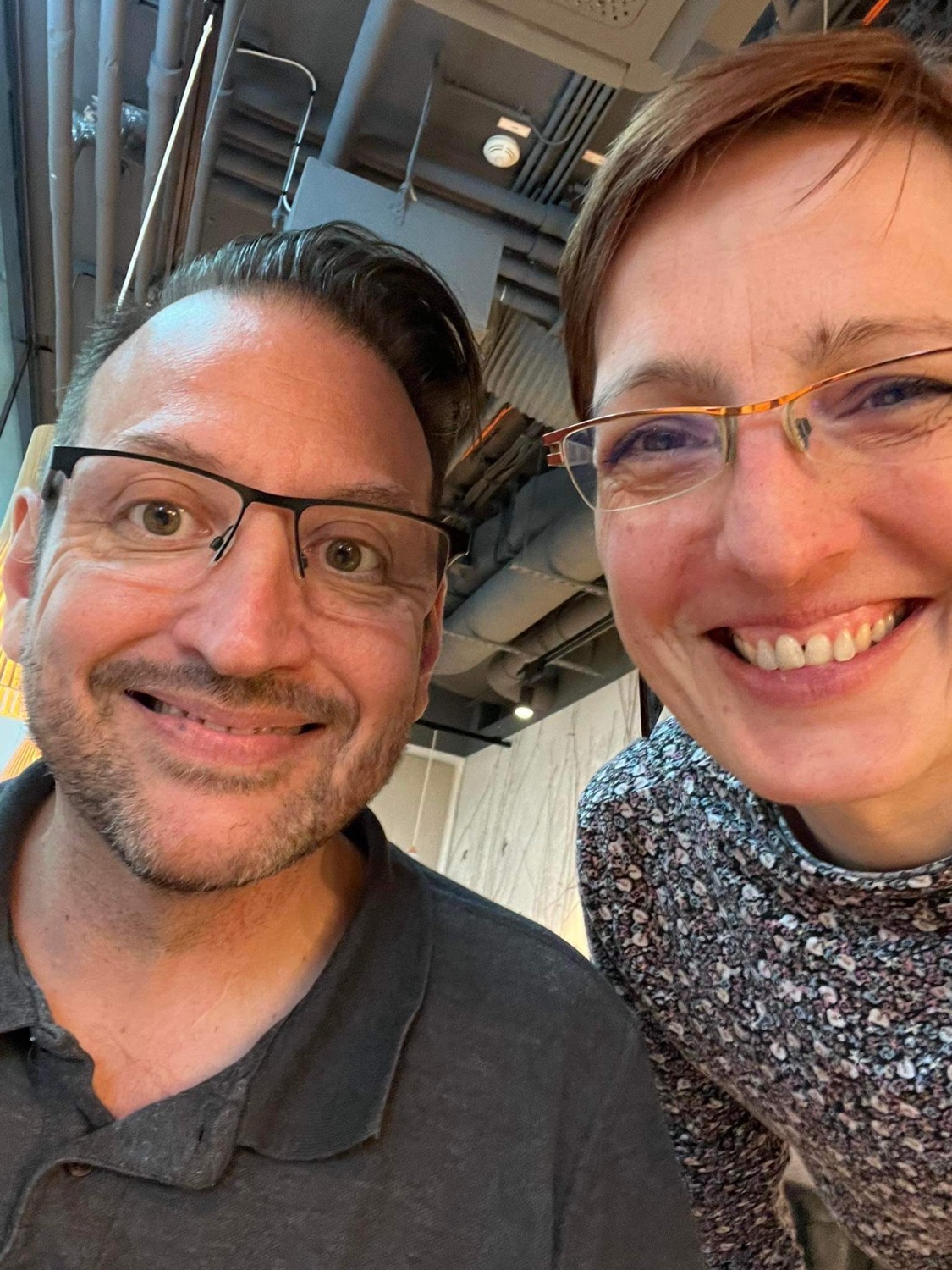
Due to Covid and lockdowns, I haven't seen Katka in about three years. I caught the train to Vienna and she met me at the main station. It was so good to see her and to catch up over lunch. We got caught in some rain on the way back to the station. It then started to hail which was a surprise.
 Steve and the kids met up with us at the Mitte station. I can't believe how big they have gotten. So freaking cute. Hopefully the whole family will be able to make it to Czechsgiving this year.
So I'm finally on my Easter trip in Banja Luka. Just two years later than originally planned. Now it's time to grab some breakfast and see if the city was worth the wait.
Friday, December 31, 2021
Dinner For One
 Dinner for One, or Der 90. Gerburtstag (The 90th Birthday), is a black-and-white television comedy sketch that was released in 1963. It was adapted from a British stage skit that was performed by Freddie Frinton and May Warden.
It enjoys cult status in Germany and is shown every year for New Year's. Since 1995, it is the most frequently repeated television programme in Germany ever. It is also very popular in Austria and Switzerland, plus in Scandinavia - Denmark, Sweden, Norway, and Finland. Despite coming from the UK, it wasn't broadcast there until 2018.
What's remarkable about the show is that despite it being broadcast in English, and without subtitles, it is still tremendously popular. Even Germans who can't speak English will still usually be able to quote lines from the comedy in English.
The basic premise is that Miss Sophie is celebrating her 90th birthday and, as in every other year, invited her four closest friends. Unfortunately, she has outlived everyone so her butler, Mr. Winterbottom, gives a toast by proxy. He gets tipsy and there's a bit of physical comedy. All in good fun.
Here's a short Meet the Germans video that talks about this cult classic.
©DW Euromaxx
Here's the show which is out on YouTube.
Retro TV
Monday, December 27, 2021
2G, 2G+, 3G
 In Germany you'll see signs everywhere that say 2G, 2G+, or 3G. These have nothing to do with Internet speed. This has to do with the public health requirements for Covid.

 3G is the least restrictive. For entry to a 3G place you have to either be vaccinated, have recovered from Covid, or have a negative test. A rapid test can't be older than 24 hours. A PCR test can't be older than 48 hours.
2G means that you have to show proof that you're either fully vaccinated or you are recovered from Covid. Showing a negative test isn't enough for entry.
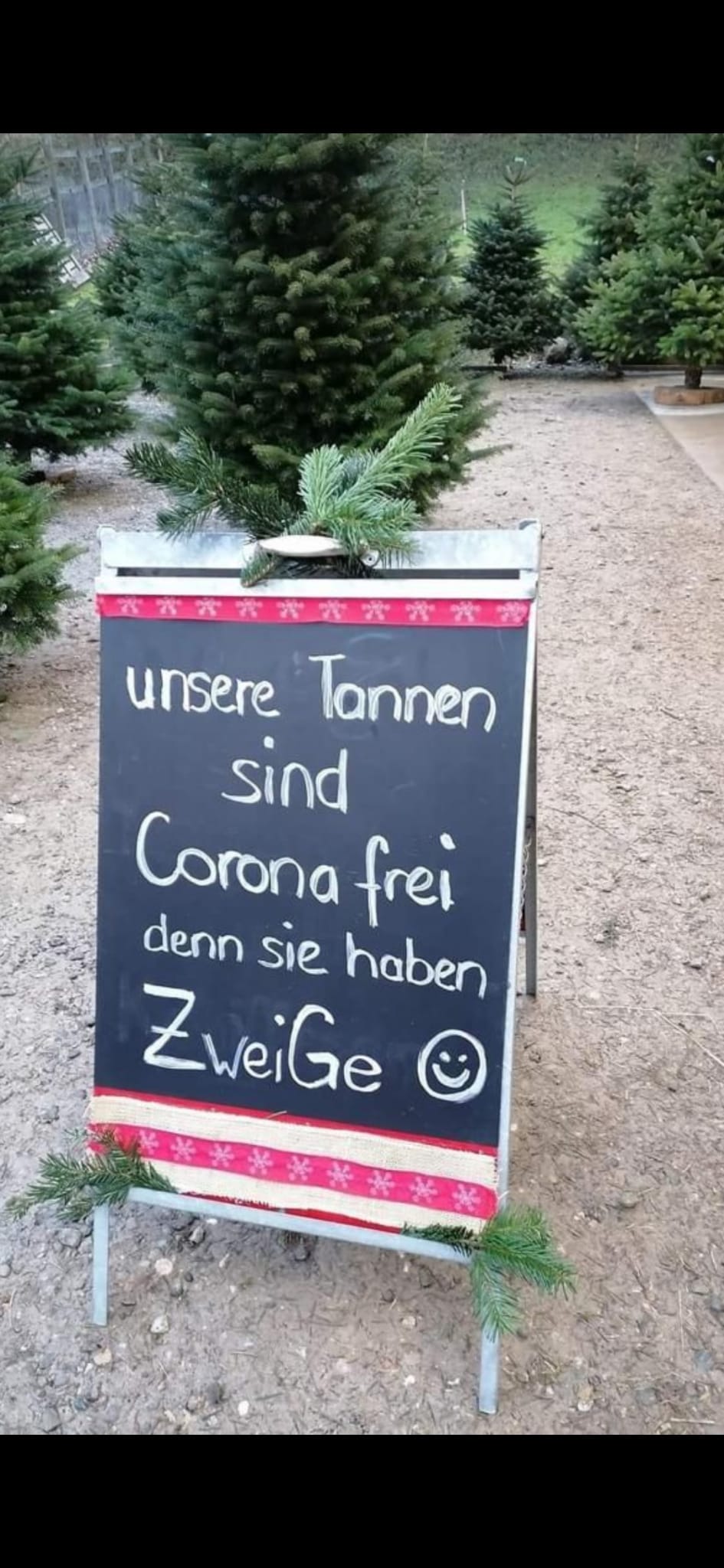 2G+ is the most restrictive. You have to either be fully vaccinated or you are recovered from Covid and you have to show a negative test. If you've received a booster vaccination then you do not need a test.
 I heard that there's now a 2G++ which is vaccinated or recovered with a test and you need a respirator. This one just seems redundant because it's 2G+ with a mask and you have to wear a mask everywhere in Germany anyway.
The 3G requirement is for public transport, supermarkets, at work, at school, and outdoor events.
The 2G requirement is for hairdressers, beauty salons, retail shops, museums, galleries, libraries, and hotels.
The 2G+ requirement, the most restrictive, is for restaurants, bars, cinemas, clubs, and theatres.
 We don't have this 2G, 3G thing in Czechland and not just because the Czech words don't all start with a "G". In Czech it would be očkovaný, testovaný, uzdravený.
 In Czechland, since mid-November, negative tests are no longer accepted as sufficient protection from Covid. You have to be either vaccinated or recently recovered in order to go to pubs, restaurants, hairdressers, theatres, and sporting events. Right now only about 58% of adults in Czechland are vaccinated.
Austria had the 2G/3G thing before but it's even tougher there. If you're not vaccinated then you aren't allowed to leave the house except for essential reasons.

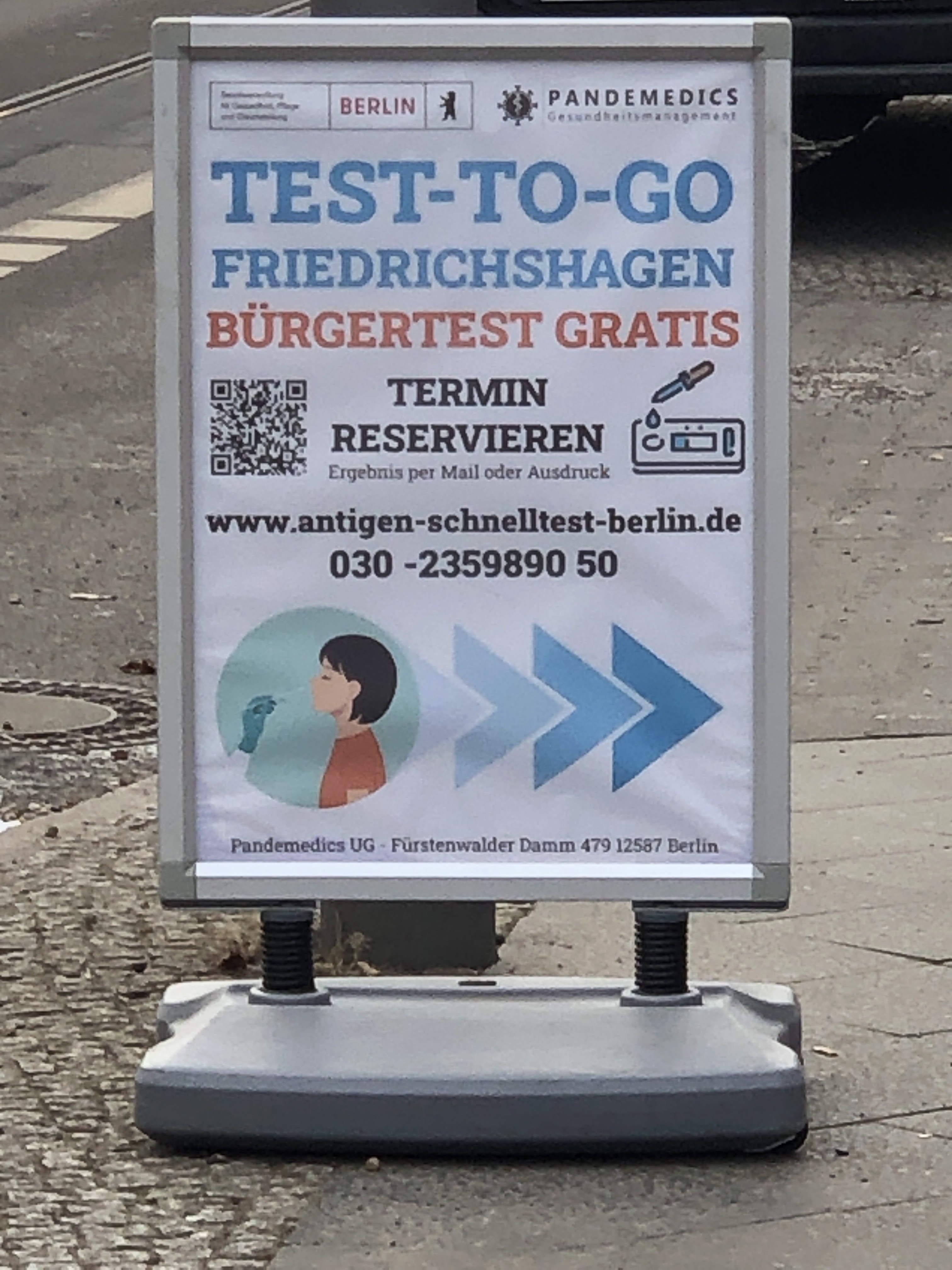 Today I had an appointment for a free antigen test in Friedrichshagen. I don't need it for the train back home tomorrow but I figured that I'd tested and have the test results with me just in case.
 I've been waiting for my booster shot in Czechland. They are rolling them out based on age and I was finally able to register online on 2.12. It took two weeks but on Friday, before I left for Berlin, I received my confirmation and I was able to book an appointment for the 29th.
Thursday, December 23, 2021
Getting Ready for Christmas
 Tomorrow is Christmas over here in Euroland. Sometimes people forget that this isn't my first Christmas in Euroland. Tomorrow will be my 13th. Maybe people assume that I fly back to the U.S. every year or something but without fail, someone will always point out to me that Americans celebrate Christmas on the 25th. Which is true but not always.
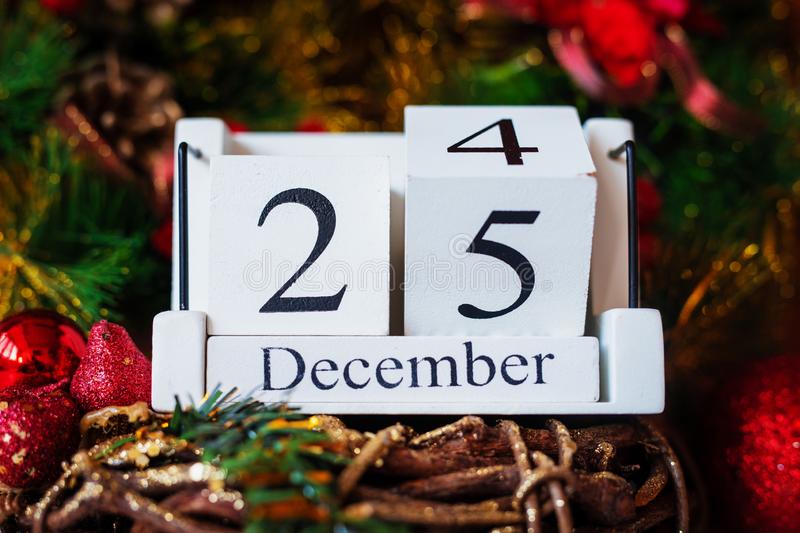 In the U.S., it's Christmas Eve which is still basically Christmas because in the USA we usually celebrate both. As a kid, I remember going to one part of the family for Christmas Eve, the 24th, for a big dinner, presents, and usually midnight mass. Then on Christmas Morning, the 25th, it was presents with the immediate family, and then lunch and presents with the other part of the family. Nowadays, with so many people getting divorced and re-married it's not that uncommon for some kids to have two sets of parents and four sets of grandparents.
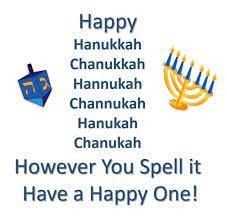 Let's not forget that not everyone celebrates Christmas. I know many people who celebrate Hanukkah and some celebrate both which is Christmakkah or Hanumas.
There are a few more differences. Americans put up the Christmas tree usually right after Thanksgiving and it stays up for over a month. Some take it down around the 26th, or just after the New Year's. Usually no later than the first weekend after New Year's. Anything after that is tacky. The same goes for outside Christmas decorations.
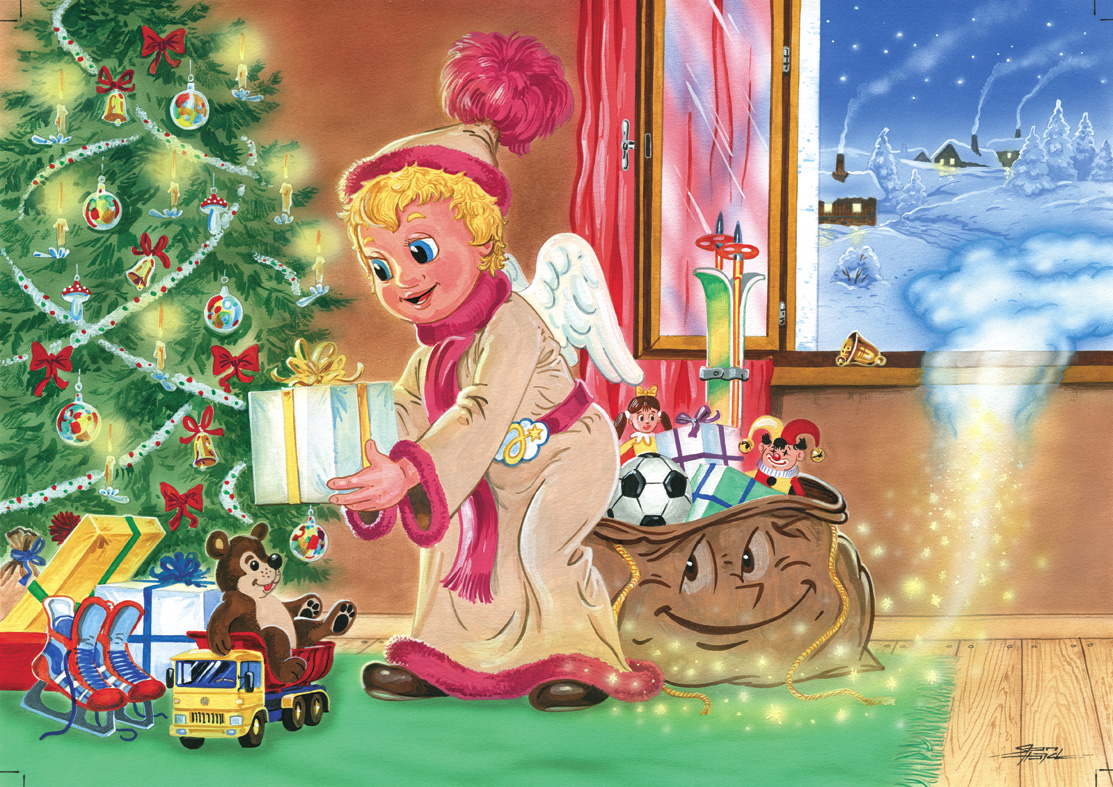 Czechs, and Germans, normally decorate the Christmas tree during the day on the 24th. Sometimes the day before. Claudia's mom finished decorating the tree this morning. The tree will say up until 6 January for the Feast of the Three Kings which ends the Christmas holidays.
In Czechland it's Jezíšek, and in Slovakia it's Ježiško, Little Baby Jesus, that brings the gifts. It's the same in parts of Germany (and Austria) where it's the Christkindl who brings the gifts. In other parts of Germany, we wait for the Weihnachtsmann, Father Christmas. Tünde is excited about der Weihnachtsmann coming tomorrow. She's planning on singing four or five songs for him.
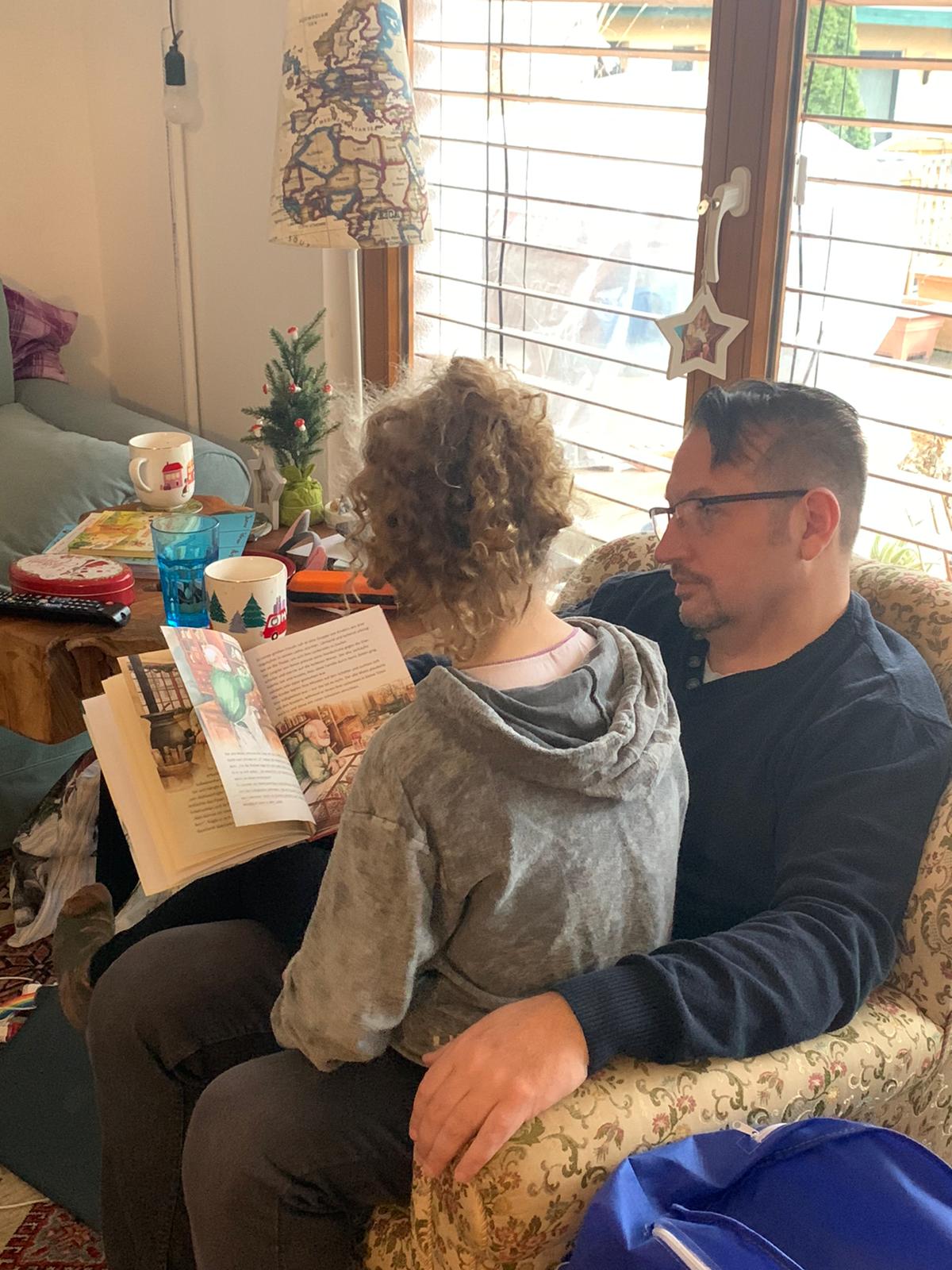 Today Tünde read me a Christmas story called Das Geheimnis der Zuckerstrange. It's the German version of The Candymaker's Gift which tells the story of how the candy cane was created. I'd never heard it before but it's a cute story.
 Somehow it was decided that I was making the Buletten for dinner tomorrow. Buletten are traditional German meatballs made out of ground beef, ground pork, onion, breadcrumbs, salt, and pepper. They are panfried but can then be eaten either hot or cold with good mustard. I think that they turned out fine but we won't know until tomorrow. Hopefully they will be better than the frozen Ikea meatballs I had last year.
Later we went to check out Dark Matter. Maybe this was my reward for the Buletten.
Tuesday, November 30, 2021
No Christmas Markets in 2021
 Christmas markets around the country should have opened up this past weekend. However, that didn't happen. Due to the increase in the number of Covid cases the government announced restrictions on Friday.
 Christmas markets are closed. Restaurants close at 10 pm, and events are limited to a maximum of 100 people. There's also a ban on consuming alcohol in public spaces. So just like last year, I'm going to miss out on my favourite vánoční punč.
The only exception is that vendors can sell saplings and carp.
 The Brno markets looks like Christmas market ghost towns.
It doesn't exactly make a lot of sense that the outdoor markets are cancelled but department stores and shopping centres can remain open.
The Czech online grocery delivery service Rohlik has offered to help small and medium-sized vendors to sell their goods online.
 It's not just Czechland that is shutting things down. In Germany, the sate of Saxony, which borders Czech Republic has closed clubs, bars, cultural and sports facilities, in addition to Christmas markets.
Christmas markets are cancelled in Bratislava too.
A couple of weeks ago Austria went into a national lockdown. The country is completely closed to tourists.
Wednesday, April 14, 2021
New Brown Bins
 Recycling is a bigger deal here than in the USA. At least compared to California and Georgia. When I moved here I had to learn to separate waste. Every couple of blocks you'll find coloured bins to sort paper, plastics, glass, etc.
 The blue bin is for paper so paper wrappers, packaging, newspapers, magazines, cardboard boxes, books, and office documents. Receipts do not go in the blue bin. You can't put anything in the blue bin that is wet, waxed, or greasy which means no pizza boxes.
The green bin is for coloured glass. White bins are for clear glass. Ceramics, porcelain and china can not be put in the glass bins.
The yellow bin is for plastics. In Brno, the yellow bins are also for the cartons used for milk and juice. I recently found out that toothpaste tubes can't be placed in the yellow bin because the tubes are often lined with aluminium and contain leftover toothpaste.
 This week Brno put out 1000 (240 litre / 63.5 gallon) brown bins and 35 large (15.000 litre / 3,963 gallon) containers. The brown bins are for bio waste so people can dispose of fruit and vegetable peels, tea bags, and coffee waste. I read that eggshells and nutshells should not be put in the brown bins which seems counterintuitive to me. Also, in Germany eggshells do go in the bio waste containers.
Czechland recycles 33,3% of its municipal waste which is short of the EU average of 47,7%. Each of the countries surrounding Czechia recycles more. Germany recycles 66,7%, followed by Austria at 58,2%, Slovakia at 38,5% and Poland at 34,1%.
 When I grew up in California each house had small blue bins to collect recycling and we put these out on the sidewalk for the trash men to collect. One bin was for newspaper. Another was for plastic. According to my mom, the newspaper bin was also for glass too but I don't remember that.
Subscribe to:
Posts (Atom)



 Czech Koruna Exchange Rate



 Posts
Posts


