Showing posts with label DW News. Show all posts

Tuesday, May 9, 2023

Germany's €49 Ticket

Germany launched its new Deutschlandticket, or D-Ticket, as the successor to its €9 ticket.

The new €49 ticket began on 1 May, and it's a monthly subscription fee for travel, all across the country.  It is good for all:

  • local and regional buses
  • trams
  • metros
  • S-Bahn trains
  • regional trains (RB/RE)

Travel is valid for second class but you may purchase first-class upgrades.  Children under 6 can travel for free.  Separate tickets are required for pets and bicycles.

The ticket can't be used for ICE, IC, or EU trains, or long-distance buses.  

The D-Ticket seems like it would be a good deal if, I lived in Germany as a monthly subscription, or if I was going to be travelling around Germany for a couple of weeks.  I loved the €9 ticket but I don't see me buying the €49 ticket.

I still have my Czech In-Karta, which costs 990 Kč ($50) every three years and gives me 25% of train tickets and 50% off seat reservations.  The only difference now is that I don't have a physical card; it's just an app on my phone.

Here are a couple of short YouTube videos I found about the new ticket.

©France24

©DW Travel

Update January 2025:  The €49 ticket has now increased to €58.
Update October 2025:  Due to inflation, as of January 2026 the ticket will cost €63 a month.

Tuesday, April 18, 2023

Museum Island, Berlin, Germany

While in Berlin last week, for the Johannes Oerding concert, we wanted to visit Museuminsel, the Museum Island.  It's a complex of five museums, sitting on 8,6 hectors (21 acres) in the historic part of the city, on Spree Island, located near the Berlin Cathedral and Humboldt Forum.     

The five original museums, originally built from 1830 to 1930, are the Altes Museum, the Neues Museum, the Alte Nationalgalerie, the Bode-Museum, and the Pergamon Museum. 

In 1999, Museuminsel was designated a UNESCO World Heritage Site.

In 2019, the James Simon Gallery opened which is an art gallery and visitor centre.


The Altes Museum, the oldest on the island, was built in 1830 is known for Greek and Roman art.


The Neues Museum was completed in 1859.  It was renovated in 2009.  


Famous for Egyptian and Etruscan sculptures including the bust of Queen Nefertiti.


The Alte Nationalgalerie was comped in 1876 and hosts 19th-century art.

The Bode-Museum opened in 1904 and is home to late Antique and Byzantine art.

The Pergamon Museum was completed in 1930.  It contains the Greek Pergamon Altar and Ishtar Gate of Babylon.

Here's a short DW video I found out on YouTube about Museum Island.

©Deutsche Welle

We wanted to check out the some of the museums because the area is about to go under significant renovation but everything was sold out.  I believe that everything is supposed to be completed by 2025 to 2026.  

Update December 2025:  Here's a short YouTube video about the Pergamon Museum renovations.

©Deutsche Welle

Friday, December 23, 2022

Ku'Damm des Ostens

Germany reunified more than 30 years ago but there are still differences, cultural and economic differences, between between what used to be East Germany and West Germany.  The same goes for Berlin.  I can feel the difference between West Berlin and East Berlin.  

Personally I prefer East Berlin.  And not just because East Berlin has trams and Ampelmännchen.


In West Berlin, the posh street was Kurfürstendamm.  Or Ku'damm to the locals.  Basically the Berlin version of the Champs-Élysées. 


The street was damaged during the war and it wasn't rebuilt until the 1950s.  It is 3,5 km (2 miles) long and it was the heart of West Berlin whereas the heart of East Berlin was Alexanderplatz.


Ku'damm has lots of cafes, high-end shops, and Kaufhaus Des Westens, called "KaDeWe", the Department Store of the West.  It is over 100 years old and is the 2nd largest shopping centre in Europe.

Here's a five-minute video I found on YouTube about Ku'damm.

©DW News


In Friedrichshagen, the main posh street is Bölscherstraße which is nicknamed Ku'damm des Ostens which means  "Ku'damm of the east".


Bölscherstraße is about 1,3 km (0.8 mile) and runs from the S-Bahn station all the way to the Müggelsee.


The street was named after Wilhelm Bölsche who was a local author and poet.  There are more than 100 buildings that are a mix of residential and shops.  

There's quite a bit on this street including my favourite Döner Kebab place, the spaghetti ice cream shop, and even the Union theatre where I had to watch the movie about a girl and a horse. 


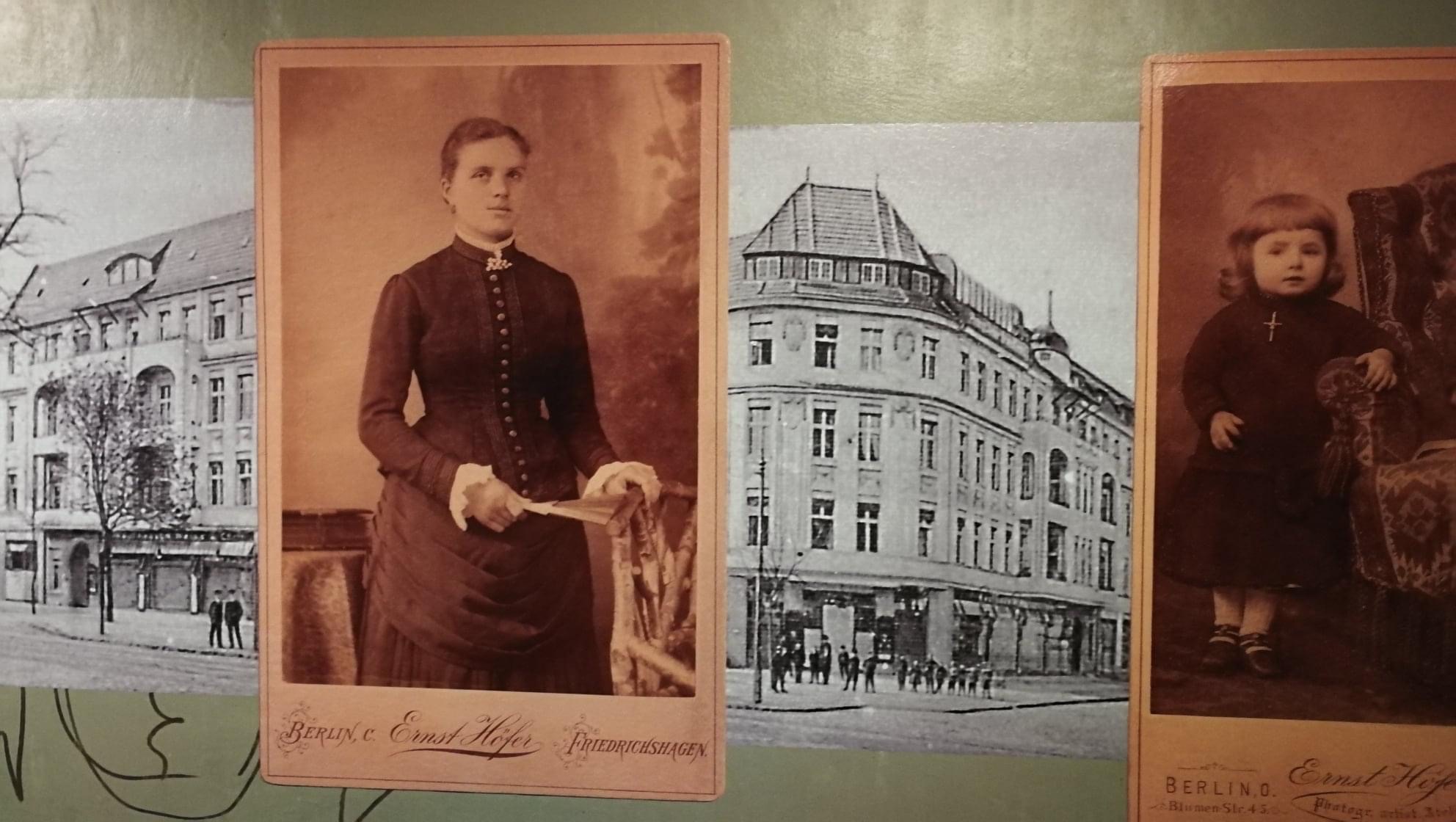
At the Friedrichshagen S-Bahn station there are photos of what the street used to look like why back when.


Here's a 3,5 minute video highlighting the street but the text is only in German.

©kulturring.berlin

Wednesday, June 22, 2022

Turkey is now Türkiye

In Turkish, the Republic of Turkey is Türkiye Cumhuriyeti and it took the name when it declared itself a republic on 29 October 1923.  The country's short name in English has been "Turkey" for almost 100 years.  In German it's been "Turkei" and in French it's been "Turquie". 

Well Turkish President Recep Tayyip Erdoğan wants to change the country's image and disassociate it from the bird.

The country's short name is now Türkiye.  

It can take a while for a country's name change to take root.  In 1935, Persia changed its name to Iran with "Iran" being the Farsi word for Persia.

In 2019, Macedonia changed its name to North Macedonia to resolve its name dispute with Greece which was holding up the country's accession to NATO.

In 2016, Czech Republic changed its official short name to Czechia.  That's still taking a while to catch on.

Here's a five-minute video I found on YouTube that talks about Türkiye's name change.

©DW News

Saturday, April 23, 2022

Bosnia, Serbia, Russia, and Z

So while in Banja Luka, I wasn't really thrilled about the Russian Z's I saw throughout the city.  They weren't everywhere but they were visible.

First of all, what's the Z?  The letter Z doesn't even exit in the Cyrillic alphabet. 

©BBC

I had to do a double-take when I saw people standing in a queue to use the ATM at a Sberbank.  That's because Sberbank, which is Russia's largest state-owned bank, is shut down in Czechland due to EU sanctions.  

My housekeeper mentioned that she had an account with Sberbank but she received a letter that her account would be closed because Sberbank is no longer allowed to operate in the EU and that she would could transfer all of her money to a new bank.  

So why hasn't Bosnia and Herzegovina sanctioned Russia like most every other country over its invasion of Ukraine?  Well, that's because of Republika Srpska and Serbia.  

Serbia and Russia are allies.  For example, because Serbia claims Kosovo as part of Serbia, Russia keeps blocking recognition of Kosovo in the United Nations.    

©DW News

Serbia hasn't closed its airspace to Russia.  Russian flights still can't get to Serbia because the planes would have to cross EU airspace to get to Serbia.  But, AirSerbia is still flying to Russia which means that many Russians are flying to Serbia and then flying onward from there.  Serbia was bombed by NATO in the 1990s and there's distrust for NATO which is good for Putin.  It's funny that Serbia isn't following EU sanctions when it is trying to join the EU.

Bosnia isn't able to pass sanctions on Russia because Republika Srpska vetos the resolutions in support of Serbia.  

©EuroNews

I still don't see how anything gets done in Bosia when everything needs to be done by consensus between three parties that were all fighting each other for years only a short time ago.  I wonder how long before this breaks up Bosnia and Herzegovina.

©BBC


Germany looks like it will ban the Z.  It seems that under German law this falls under forbidding public approval of illegal acts, or something along those lines.


In Prague, the local officials are changing the name of the street in front of the Russian Embassy.  Its new name will be "Ukrainian Heroes" street.  I bet the Russian embassy loves that one.  

Я за Україну. Я за Україною. Слава Україні  Stojím za Ukrajinou!  I stand with Ukraine. 🇺🇦

Friday, December 31, 2021

Dinner For One

Dinner for One, or Der 90. Gerburtstag (The 90th Birthday), is a black-and-white television comedy sketch that was released in 1963.  It was adapted from a British stage skit that was performed by Freddie Frinton and May Warden.

It enjoys cult status in Germany and is shown every year for New Year's.  Since 1995, it is the most frequently repeated television programme in Germany ever.  It is also very popular in Austria and Switzerland, plus in Scandinavia - Denmark, Sweden, Norway, and Finland.  Despite coming from the UK, it wasn't broadcast there until 2018.  

What's remarkable about the show is that despite it being broadcast in English, and without subtitles, it is still tremendously popular.  Even Germans who can't speak English will still usually be able to quote lines from the comedy in English. 

The basic premise is that Miss Sophie is celebrating her 90th birthday and, as in every other year, invited her four closest friends.  Unfortunately, she has outlived everyone so her butler, Mr. Winterbottom, gives a toast by proxy.  He gets tipsy and there's a bit of physical comedy.  All in good fun.

Here's a short Meet the Germans video that talks about this cult classic.

©DW Euromaxx

Here's the show which is out on YouTube.

Retro TV

Monday, October 4, 2021

EC Cards

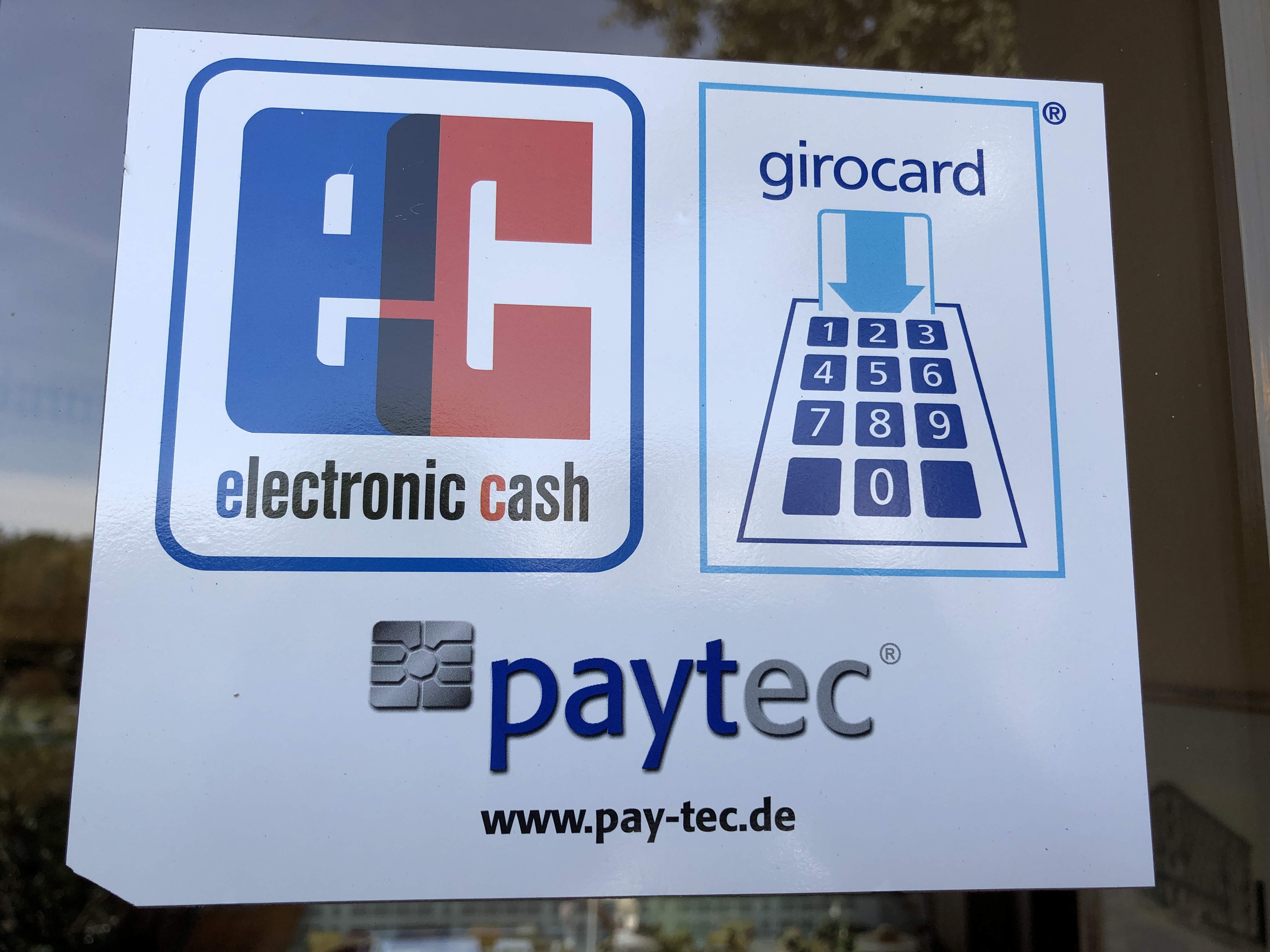
EC Cards are a German thing and they absolutely drive me crazy.  An EC (electronic cash) card is basically a debit card that is linked up to a German bank account.  An EC card gets swiped, just like a debit or credit card would, and the money is deducted from your current account.  A "current account" is the same thing as an American checking account but just like Czechs, Germans don't write checks.

Most EC cards are also Maestro cards which means that they are accepted as debit cards in most places abroad.  

What drives me mental is that when you go someplace and try to pay with a foreign debit or credit card and your card doesn't work.  That's because the the business only accepts either cash or EC cards.  This has happened to me so many times over the years.  Your card doesn't work so you have to either have cash or go to the ATM and pull out cash.  This is because businesses don't want to pay the higher fees that are associated with Visa, MasterCard or American Express.  

What annoys me is that I'm not trying to pay by credit card.  I want to use my Czech debit card but it doesn't work in a shop that only takes EC cards because EC cards only work if you have have German bank account.  

Germans, in general, are frugal and usually prefer to pay with cash or debit card.  Buying things on credit is uncomfortable for most people in Germany.  

I don't know what the going rate is today but about 15 years ago, Visa and Mastercard used to charge businesses about 1,5% for transactions while Amex charged around 3%.  This is often why more shops in the the USA accept Visa and Mastercard than they accept American Express.  In the USA, this is just viewed as the cost of doing business.  

When I'm in Germany I just make sure to carry extra Euros on me.  When I go to the register and ask if I can pay by card, I always ask if they take all cards or only EC cards.

One thing I did notice this past week is that some shops which I know only used to accept EC cards are now accepting credit cards.  I asked Claudia about this and our theory is that Covid really changed things.  Many people had to put things on credit during the toughest times and so more places started accepting credit cards.  

Here's a short video I found out on YouTube that takes about Germans and their reluctance to use cards.

©Deutsche Welle

Sunday, October 3, 2021

Currywurst

Currywurst is an iconic German fast-food dish and I try to have it at least once every time I visit Germany.  Probably not the healthiest of things to eat but it doesn't really matter when it tastes so dang good.  Currywurst is a fried pork sausage, either with or without the sausage skin, that is served sliced with either curry sauce or curry ketchup.  It is then topped with curry powder.  It is normally eaten with a bun or fries.

Like the Döner kebab, Currywurst is a Berlin creation.  It is credited to Herta Heuwer.  The story goes that back in 1949, she obtained either ketchup or Worcestershire sauce and curry powder from British soldiers.  After mixing them together and adding other spices she then poured it over pork sausages and this became Currywurst.  In 1951 she patented the sauce as "Chillup."

There are hundreds of snack stands in Berlin where you can get a good Currywurst.  However, you'll find it available all across the country.  You can buy Curryketcup in any grocery store.

There's even a Currywurst museum that opened in Berlin back in 2009.  I've never been but perhaps one day.  

Here are a couple of short videos I found out on YouTube about Currywurst.

©DW News

©Deutsche Welle

Thursday, September 30, 2021

Volkskammer and DDR Products

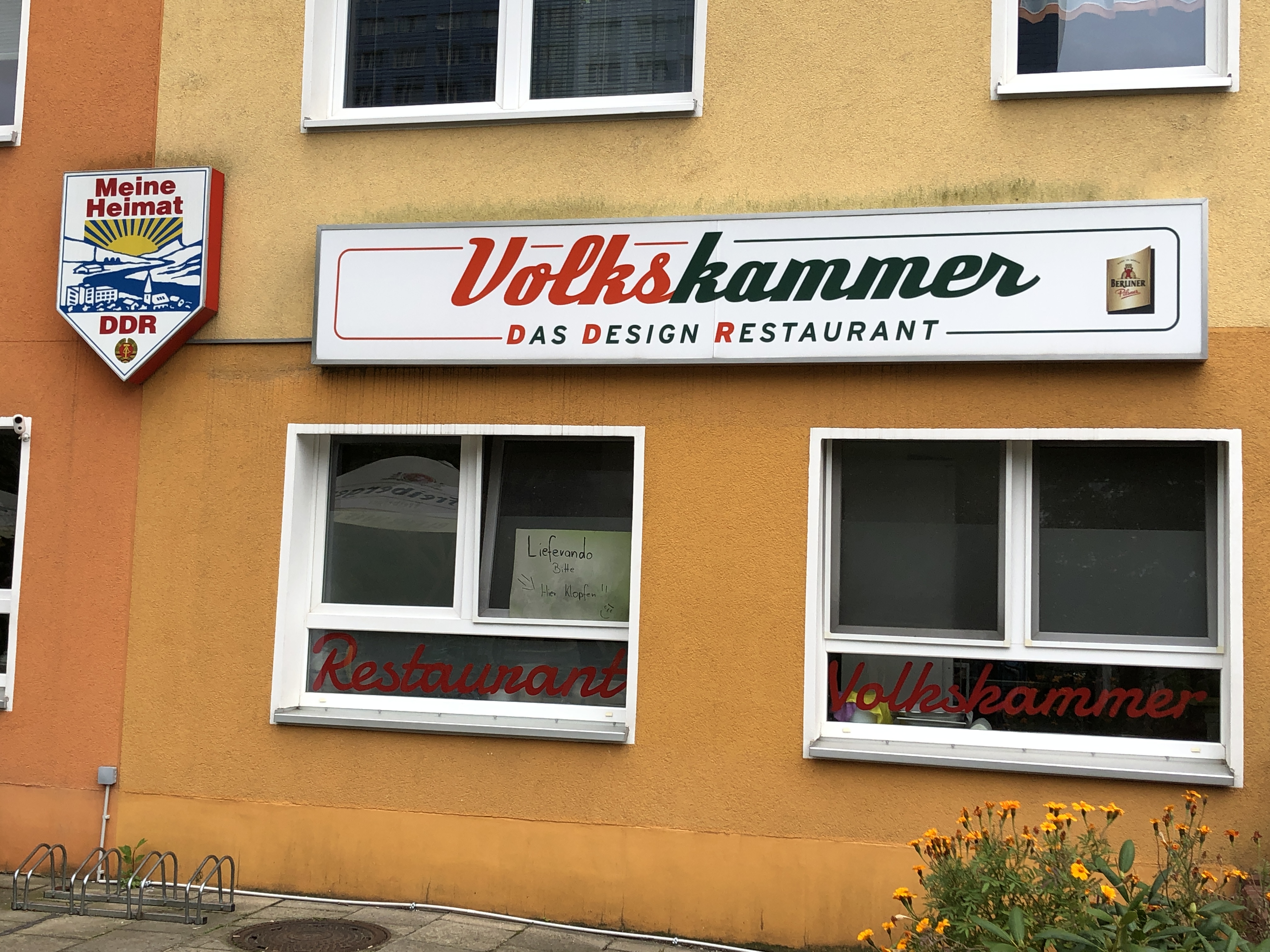
After visiting the German Spy Museum and a bit of shopping, Claudia and I had lunch at the Volkskammer restaurant.  This is the DDR (German Democratic Republic) themed restaurant that we didn't have the chance to visit last time.  The post about East Germany and the video about the restaurant is here. 

The restaurant is named after the Volkskammer, the People's Chamber, which was the country's single legislative body.  Think of it as both Parliament and Senate (or Congress and Senate) in one.  The restaurant is a kitschy place for Ostalgie, which is nostalgia for eastern times, and good, filling Eastern German dishes.

Würtzfleisch, "seasoned meat", is a fine ragout of meat, mushrooms, in a roux of butter and flour that is seasoned with Worcestershire sauce and lemon with cheese melted on top and served with toast.  Claudia remembered the aluminium cutlery from her youth and was surprised to see it still in use.

Jägerschnitzel, "hunter's schnitzel" in Western Germany is a veal or pork cutlet, coated in breadcrumbs, fried and served with a mushroom sauce and usually potatoes.  

The closest thing we have this in the USA would be "country fried steak", which is also called "chicken fried steak" which is pork (not chicken) coated in breadcrumbs and fried.  It is usually served with a white country gravy.  It is very popular in the south and it's believed to have been brought to America by German immigrants.

Due to the often limited availability of goods, people had to get creative in the east.  Instead of using pork or veal, Jagdwurst sausage (think of baloney or Mortadella) was used.  It's a cooked sausage made of pork that is seasoned with salt, green peppercorns, ginger and coriander.  It can be eaten cold or hot and is often used in soups.  Instead of the mushroom sauce and potatoes as in the west, Jägerschnitzel in the east was served with tomato sauce and spiral noodles.  Below is a recipe for Jägerschnitzel that I found online from the DDR Museum.

Dessert was a Schwedeneisbecher which is a cup of vanilla ice cream with apple mouse, Eierlikör (strong eggnog style liquor) with whipped cream.  Very tasty but afterwards I felt like I was going to explode from so much food.  When we left they gave us mini packs of Knusperflocken.  Yum!!

Ostalgie is a real thing.  When the Berlin Wall came down people wanted western products.  Also most of the eastern products were produced in outdated factories and the communist ideal that everyone had a job wasn't exactly compatible with capitalism so many factories in the east simply shut down especially as well-trained people quickly moved west in search of better opportunities and higher salaries.

There are a few Ossi brands that did survive the fall of communism including, thank goodness, my favourite Spreewäldergurken, the world's absolute best pickles. 

Knusperflocken, "crunchy flakes", used to be called "Schoko-Ossis" and they've been back on the market since 1995.  They are  ground crisp bread and milk chocolate.  They are highly addictive.  Give me a cold glass of milk and I can finish off a whole bag on my own.  I like the original milk chocolate kind, but now they also have dark chocolate and white chocolate versions too.

Bautz'ner Senf is made in Bautzen, Saxony, and it was the most popular mustard in East Germany.  It's still available and I often receive it my care packages from Claudia's mom.  I actually use it as the base, along with honey, brown sugar and a bit of orange juice as the marinade for the ham I make every year for Thanksgiving.


Rotkäppchen is probably the most well-known brand to survive East German communism.

In 1856 some friends set up a wine store and the following year it became a sparkling wine factory.  In 1894 they needed a new name so taking inspiration from the red crown cap, and from Little Red Riding Hood, Rotkäppchen sparkling wine came about.

In 1945, following the war, the company was nationalised and it was the market leader in the DDR days.  Following German reunification, sales collapsed and the brand almost disappeared.  In 1990 it became a limited liability company and the firm made the important decision to invest in new equipment.  The company was privatised in 1993 and by 1995 it was the best selling sparkling wine in eastern Germany.  By 2001 it was the best selling sparkling wine in all of Germany.  I can even buy it in my little local Brněnka.

Here's a short, interesting video I found out on YouTube.  I need to go check out this shop next time. 

©DW News

Here's the recipe for Hunter's Schnitzel with Tomato Sauce from the DDR Museum in Berlin.

Ingredients for the schnitzel:

  • 8 slices of Jagdwurst (about finger-thick)
  • 2 eggs
  • some four
  • some breadcrumbs
  • oil, margarine or clarified butter for frying
Instructions:
  1. Flour both sides of each slice of Jagdwurst.
  2. Mix the eggs with the breadcrumbs and coat the slices of Jagdwurst with the mixture.
  3. Fry the slices in a pan with either oil, margarine, or clarified butter until they are golden brown.
Ingredients for the tomato sauce

  • about 100g of tomato paste
  • 200g of ketchup
  • 1 onion
  • 2 tablespoons of flour
  • butter
  • water
  • salt and pepper
  • Optional - sugar or vinegar

Instructions:
  1. Cut the onion into cubes and sauté in a pot with butter.
  2. Add tomato paste and flour and sauté while stirring continuously.
  3. Add water until a creamy consistency is obtained.
  4. Add ketchup and bring to a boil while continuously stirring.
  5. Simmer for about 10 minutes and season with salt and pepper.
The preparation time is about 30 minutes.  Spirelli pasta is the recommended side dish.  For a slightly sweet and/or sour sauce, add a little and/or vinegar to taste.  Guten Appetit!

Spaghetti Ice Cream

After surviving the movie about a horse and bad popcorn we ticked off another item on the list.  After dinner we went to the local ice cream shop in Friedrichshagen for spaghetti ice cream.

Spaghettieis is a thing in Germany.  It's vanilla ice cream pressed into the shape of noodles with strawberry sauce and grated white chocolate or nuts to mimic marinara sauce and parmesan cheese.

There's also a "carbonara" version for adults made with eierlikör (strong German eggnog type liqueur).

Overall pretty good.  I wonder why we don't have this in Czechland.

Here's a short video I found on YouTube that talks all about Spaghettieis.

©DW