 Hong Kong, 香港, borders China's Guangdong province and is 60 km (37 miles) from Macau. With 7,3 million people in an area of 2,755 km² (1,064 sq miles) it is the world's 4th most densely populated country.
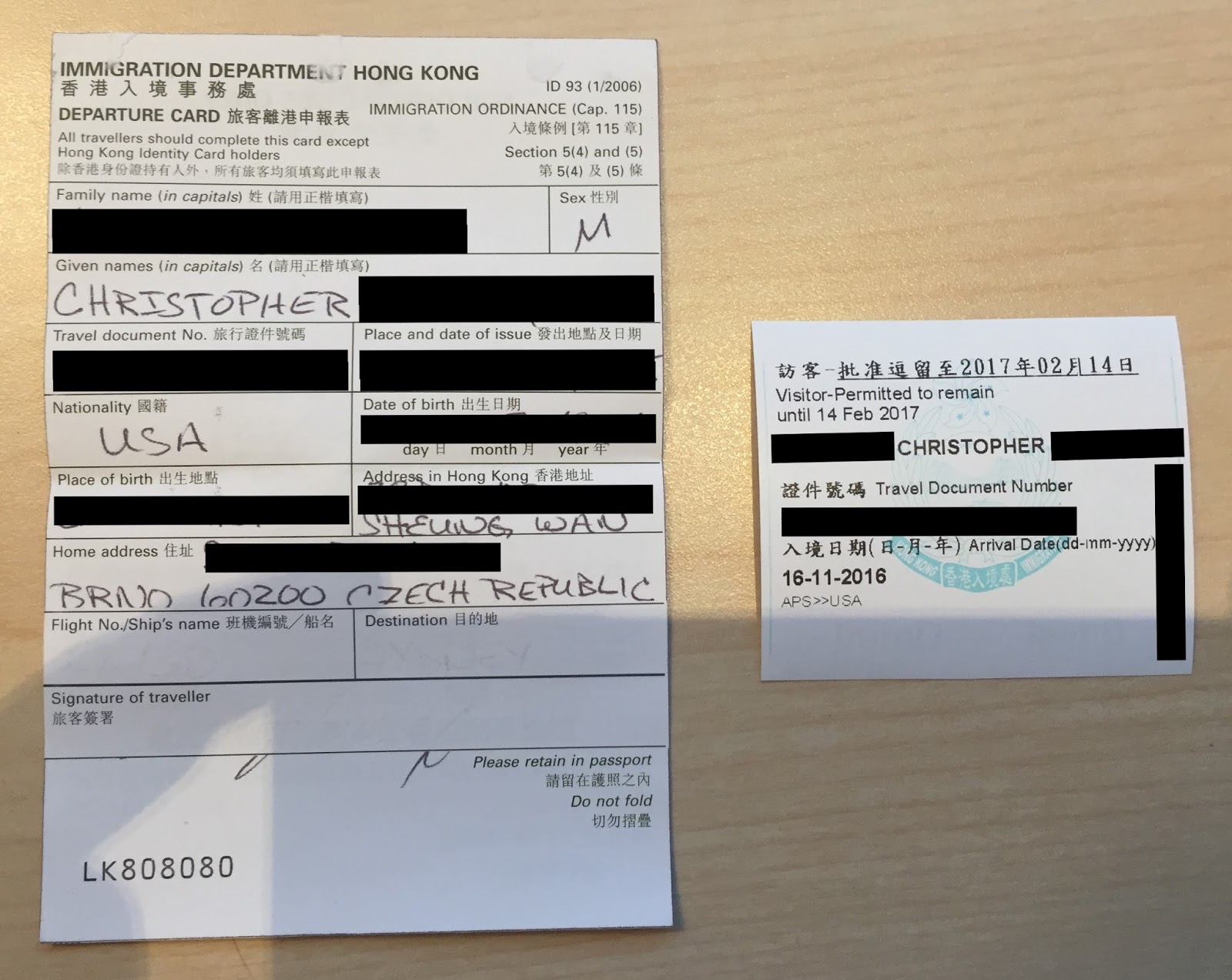 As a Special Administrative Region of China it has its own immigration and border controls. I had to fill out an immigration card upon arrival and was given a paper ticket to hold on to until I left. The ticket takes the place of stamping your passport.
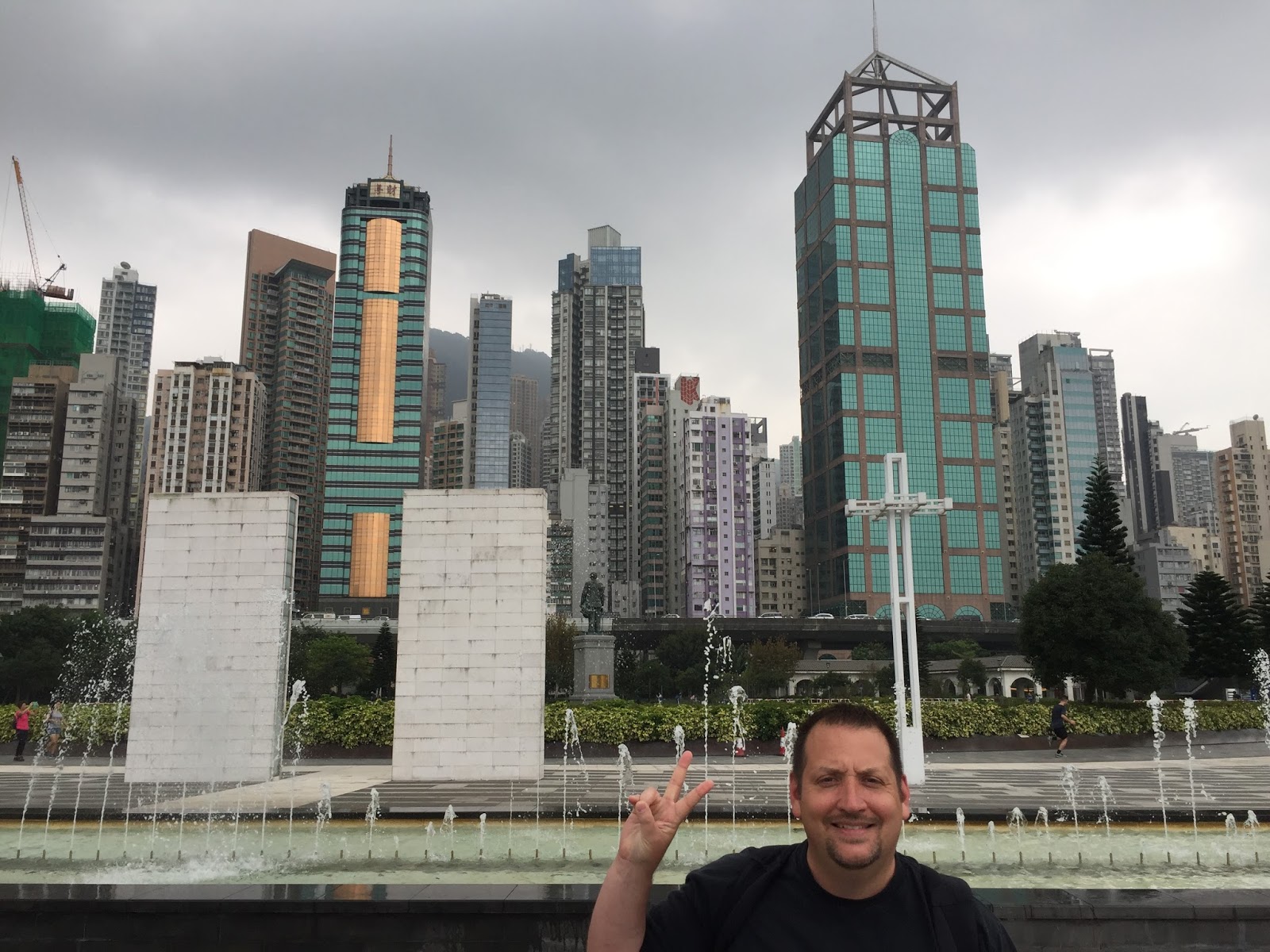
A skyscraper is any building that is 150 meters (492 feet) or more tall. With 316, Hong Kong has more than anywhere else in the world. And they are still building.

At night the entire city is lit up. The most impressive lights are on the Hong Kong side of the harbour and the best views of it at night are from the Kowloon side.

Government House was built in 1855. It is the official residence of the Chief Executive of Hong Kong.
 The Cenotaph was unveiled in 1923. It commemorates those who died in both world wars while serving Hong Kong in the British armed forces.
 The Court of Final Appeal was built in 1912. During WWII, the Japanese used it as the military police headquarters while they occupied Hong Kong.
 St. Stephen's Church was completed in 1980. It was renovated in 1995 and serves the local Catholic community.
 The Rosary Church, built in 1905, is the oldest Catholic church in Kowloon.
 The Hong Kong Council of the Church of Christ in China serves the Protestant community.
 The Hong Kong Zoological and Botanical Gardens is one of the oldest such centres in the world. It was founded in 1864 and was opened to the public in 1871. There are over 600 birds, 70 mammals, 40 reptiles and over a thousand species of plants.
At Duddell Street are the city's last four remaining gas lamps. They were completed in 1899.

The Dr. Sun Yat-sen Museum opened in 2006 to commemorate the 140th birthday of the Chinese statesman.

The Ohel Leah Synagogue was built in 1902. Its renovation in 1998 won the Outstanding Project Award of the 2000 UNESCO Asia Pacific Heritage Awards for Culture Heritage Conservation.
 This Hung Shing Temple is one of six on Lantau Island. It used to be next to the Silver Mine Bay Beach but was moved here a few decades ago.
The Po Lin Monastery is also on Lantau Island. The Buddhist monastery was founded in 1906.
 Next to the monastery is the Tian Tan Buddha. Completed in 1993, the Big Buddha is the world's largest outdoor bronze statue.
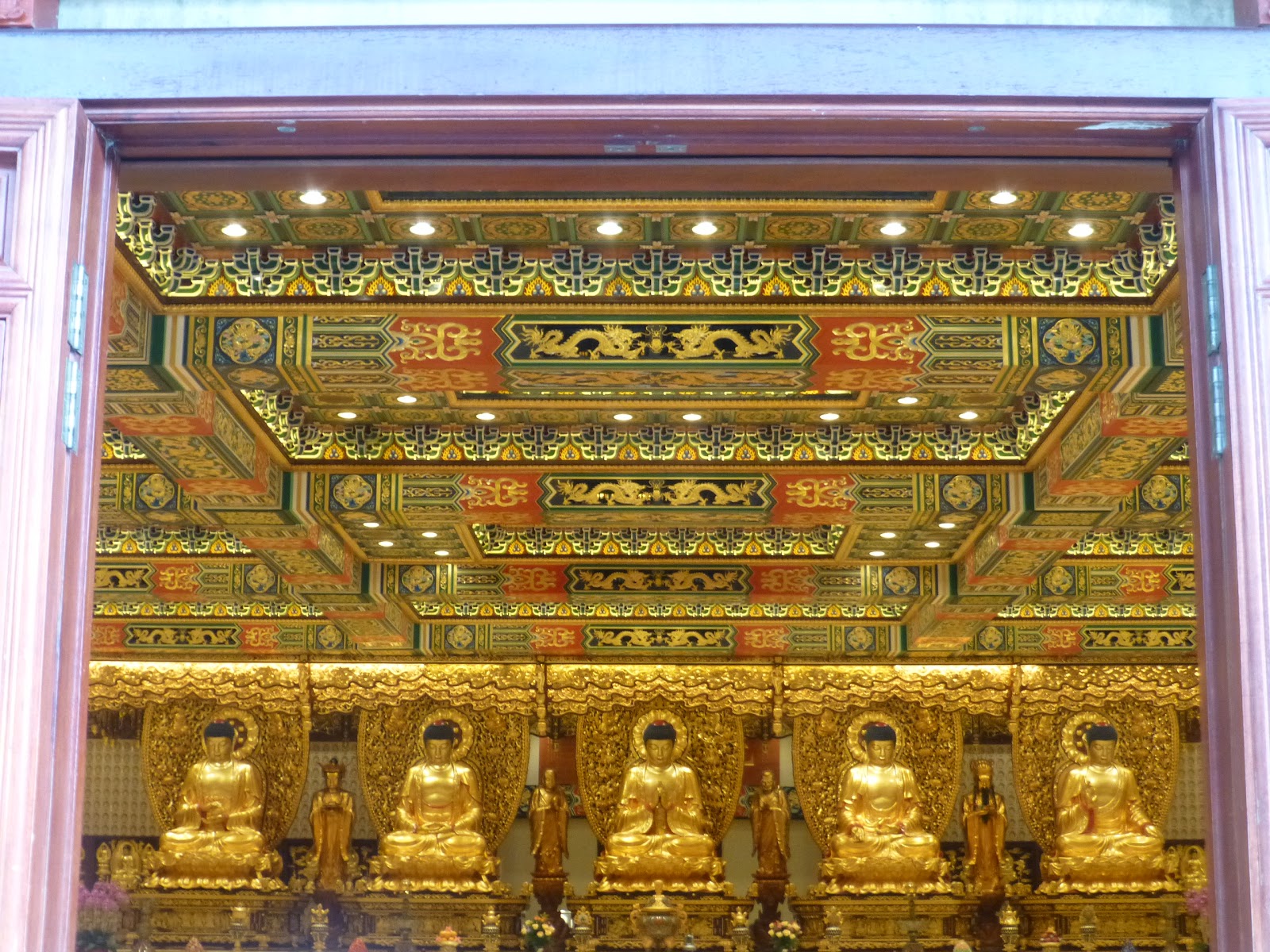 Nearby is the Grand Hall of Ten Thousand Buddhas.
 On the Kowloon waterfront is a replica of the Olympic torch used in the Beijing Olympic Games.
 The Golden Bauhinia sculpture. At this square was where the handover ceremony took place when the UK handed Hong Kong back over to the Chinese in 1997.
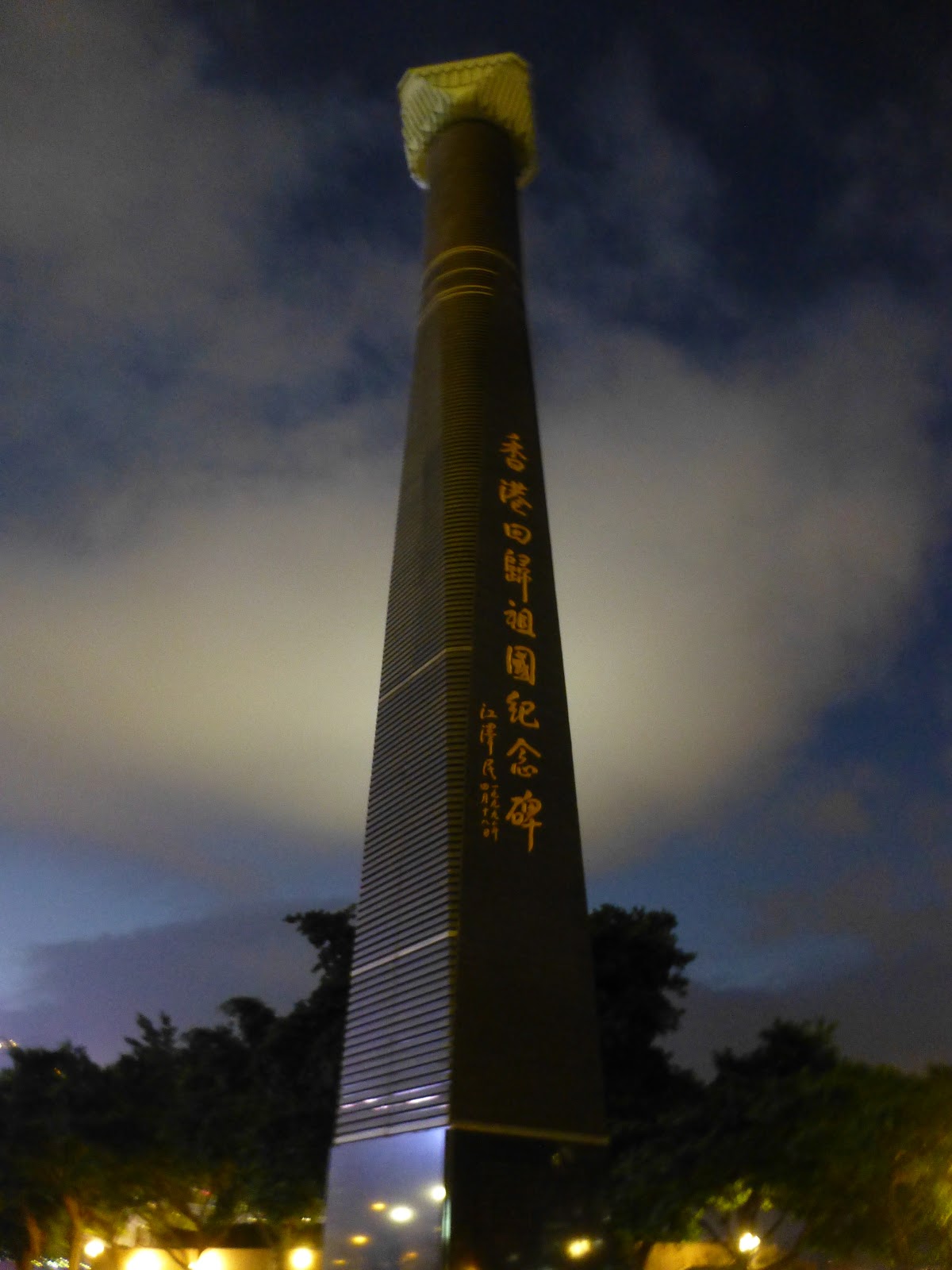 The pilar is in commemoration of the return of Hong Kong to China.
 There are a few Man Mo temples but the largest is on the Hong Kong side in Sheung Wan. It was built in 1847.
 The Western Market opened in 1858. It is the oldest surviving market building in the city and it takes up a whole city block.
 The Observation Wheel opened in 2014. It overlooks Victoria Harbour.
 Victoria Peak is the highest mountain on Hong Kong Island. The Peak is a great place to get the best panoramic photos of the city and to get an appreciation for all of the skyscrapers.








 Czech Koruna Exchange Rate


 Posts
Posts


