 Napier
 is a city located in Hawke's Bay on the east coast of the
New Zealand's north island. It is about 320 km (199 miles) northeast of
Wellington or just an hour flight from
Auckland.

Napier has a population just over 62,000 people. The city of Hastings is about 18 km (11 miles) south of Napier and together they make up "The Twin Cities". Combined they are home to 131,000 people making it the country's sixth-largest urban area.
Napier was established in 1851. The city received its coat of arms in 1951.

In 1931, most of Napier and Hastings were razed by a massive 7,8 earthquake.
Napier was rebuilt in the then popular Art Deco style. It kind of has a South Beach, Miami, Florida feel to it because of the Art Deco buildings.


Every February, thousands of people descend on the city for an Art Deco Weekend festival where people all dress in the style.


In 2007, it was the country's first city to be nominated as a
UNESCO World Heritage Site but in 2011 the nomination was declined for not meeting the appropriate criteria.
 |
| The Spirit of Napier |

At Memorial Square is a monument for those New Zealand soldiers who died in WWII.

The Sunken Garden was established in the 1960s. It is along the promenade but hidden below road level of passing cars.

St. John's Anglican Cathedral was consecrated in 1967.

The
Pania of the Reef statue was unveiled in 1954. Pania is a figure from Māori mythology and is king of the Kiwi version of
Copenhagen's Little Mermaid.

The Sound Shell is on the promenade right by the sea. The Art Deco venue is used regularly for concerts.

The National Aquarium of New Zealand opened in 1976. It is home to more than 1500 animals of +50 species.

MTG Hawke's Bay Tai Ahuriri is a museum, theatre and art gallery. It was established in 1865 and the buildings were renovated in 2013.

The National Tobacco Company was founded in 1922. Following the earthquake this building was built in 1933 mixing Art Deco and Art Nouveau styles. Today it is a furniture store.

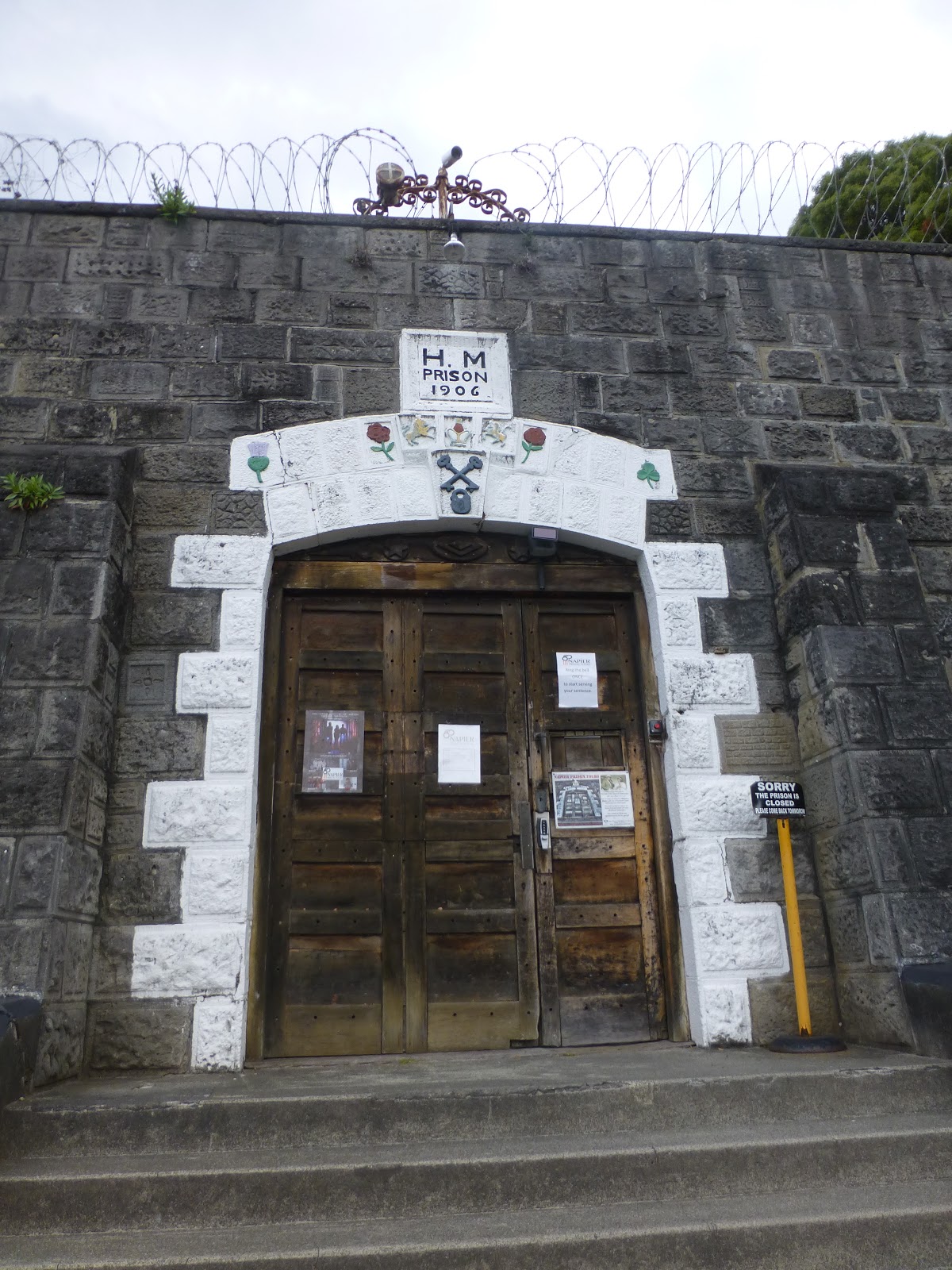
Napier Prison, built in 1862, was the country's oldest prison. Besides being a prison it was also used an an orphanage and as a psychiatric unit. It was decommissioned in 1993 and in 2002 it reopened as a tourist attraction. There are many ghost stories associated with the prison.

The Centennial Gardens were established in 1974. The gardens were once a quarry that was manned by prison labour.

The historic Napier Cemetery is no longer used for burials. The 4,5 acre cemetery contains graves dating from 1855 to 1917.

The Botanical Gardens sit on about 17 hectares (42 acres). Like the Centennial Gardens it was originally the result of prison labour. Today it is a hidden gem and a great place to wander for a couple of hours.
Bluff Hill lookout is about a 40 minute hike from the centre. It gives a great view of Hawke Bay.


For me the highlight was just getting to see the Pacific ocean. I grew up in
California and the beach was less than an hour away. Living in landlocked Czech Republic just makes me miss the ocean more.
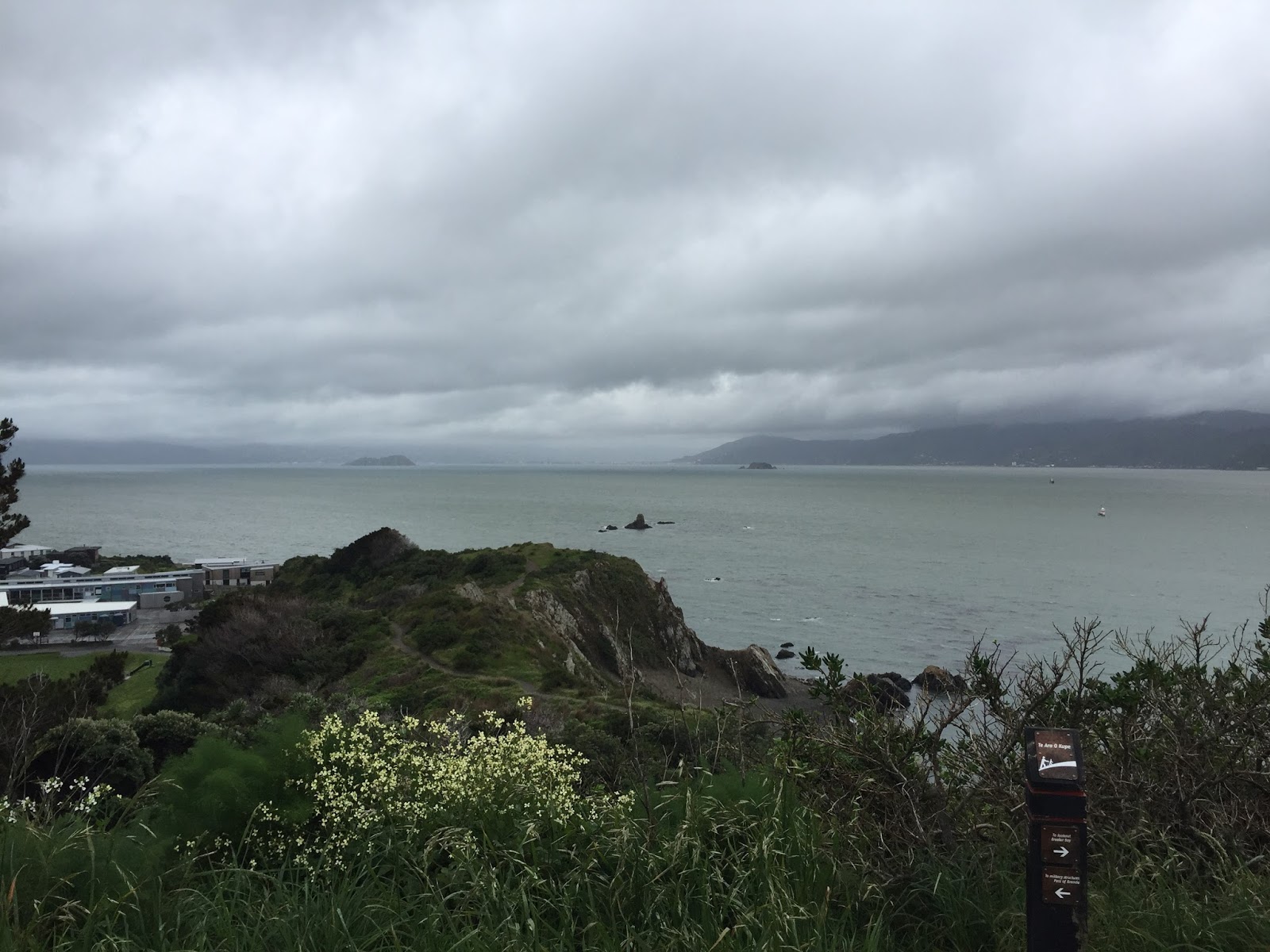


 Wahine Memorial Park honours the 53 people of the 733 passengers and crew that perished in 1968 when Tropical Cyclone Giselle capsized and sank a ferry in the harbour.
 Victoria University of Wellington has a research programme on the captive breeding of tuatara and there's a viewing station open on campus. Tuatara are reptiles native to New Zealand and are one of the four types of reptiles. The species dates back about 230 million years. It's estimated the population is between 60,000 to 100,000.


 This was my first time ever seeing purple asparagus. Who knew that there was such a thing as purple asparagus? It's good; just a bit sweeter than "normal" green asparagus.







 Czech Koruna Exchange Rate


 Posts
Posts


